Read More Articles
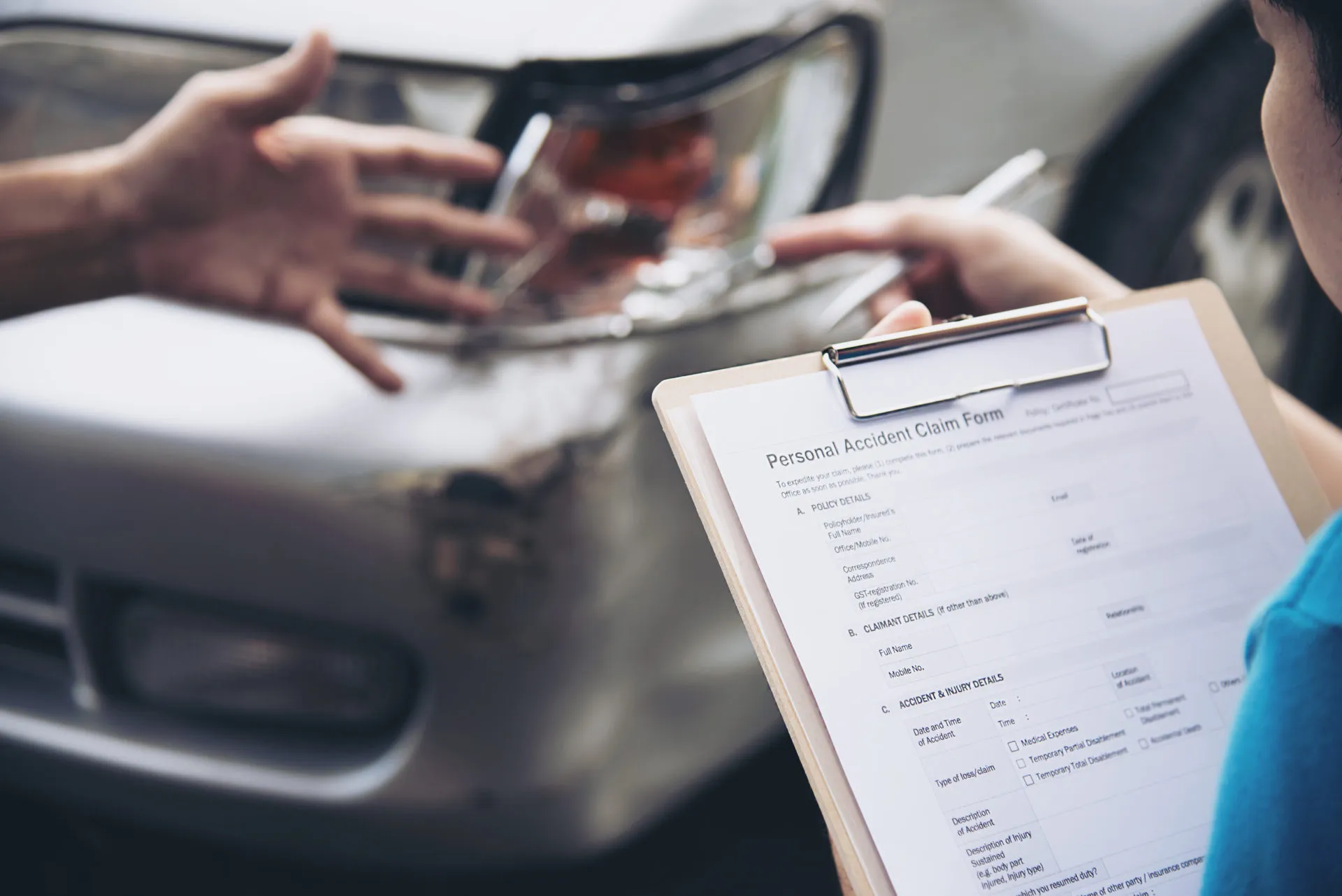

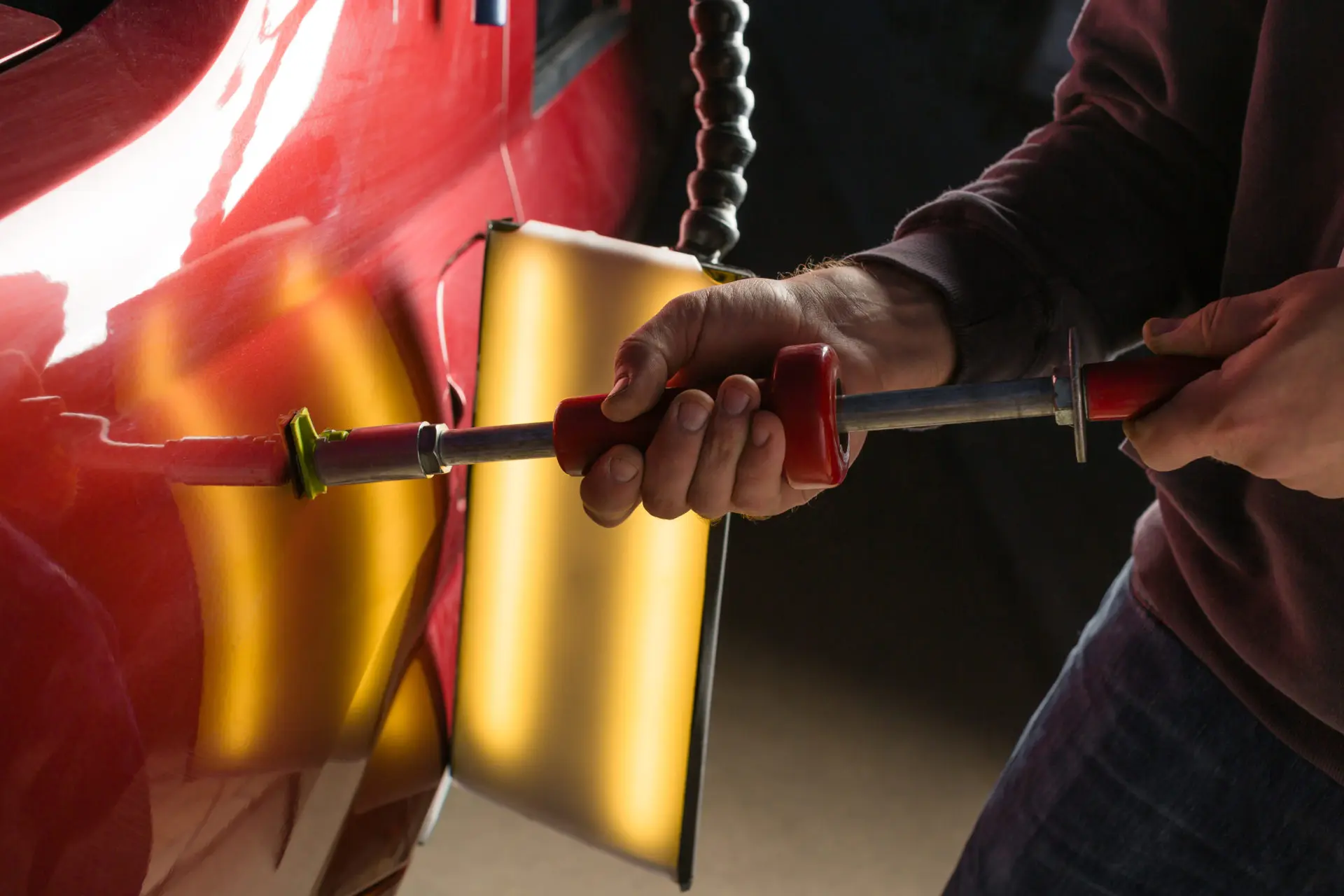
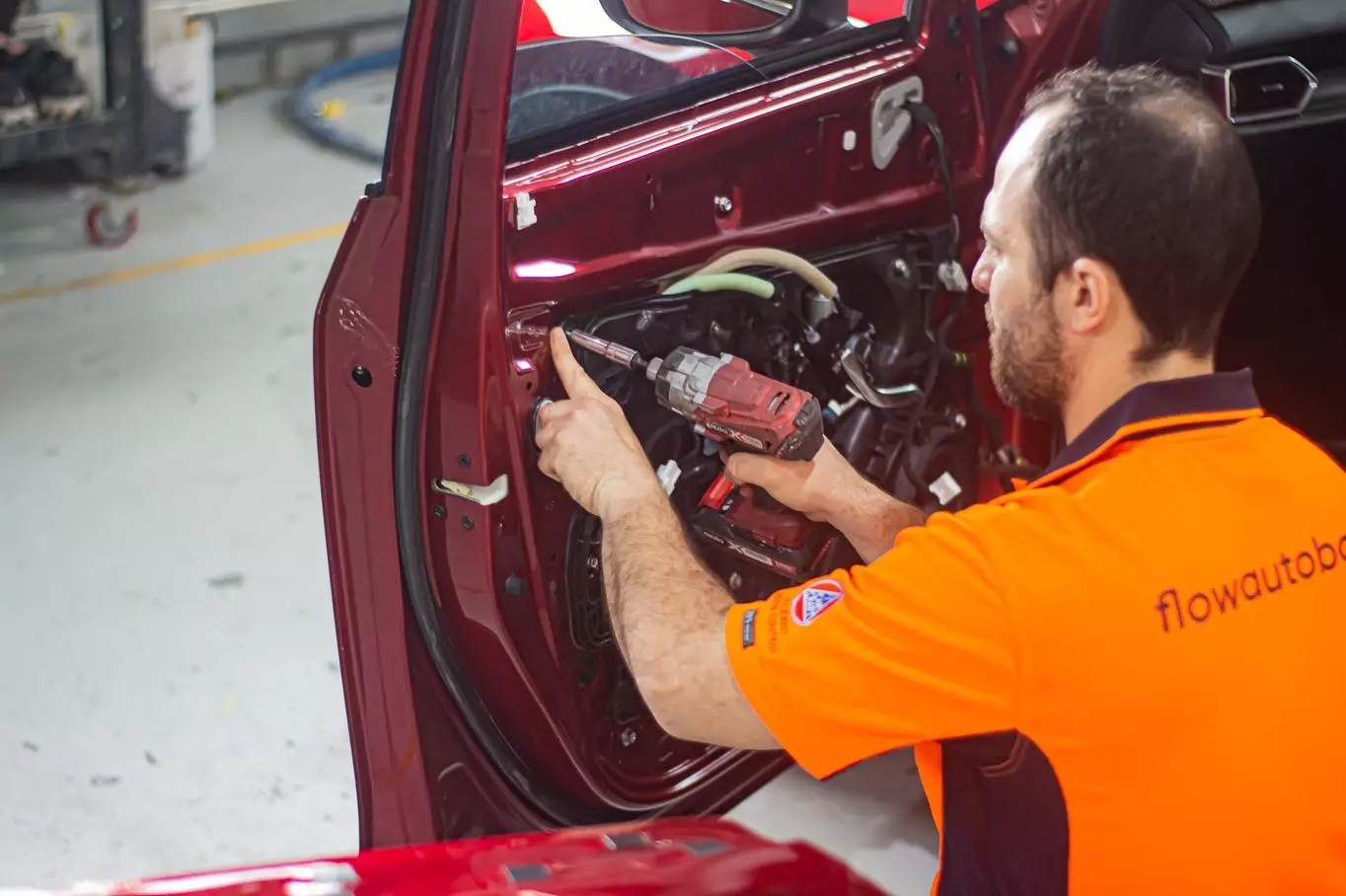
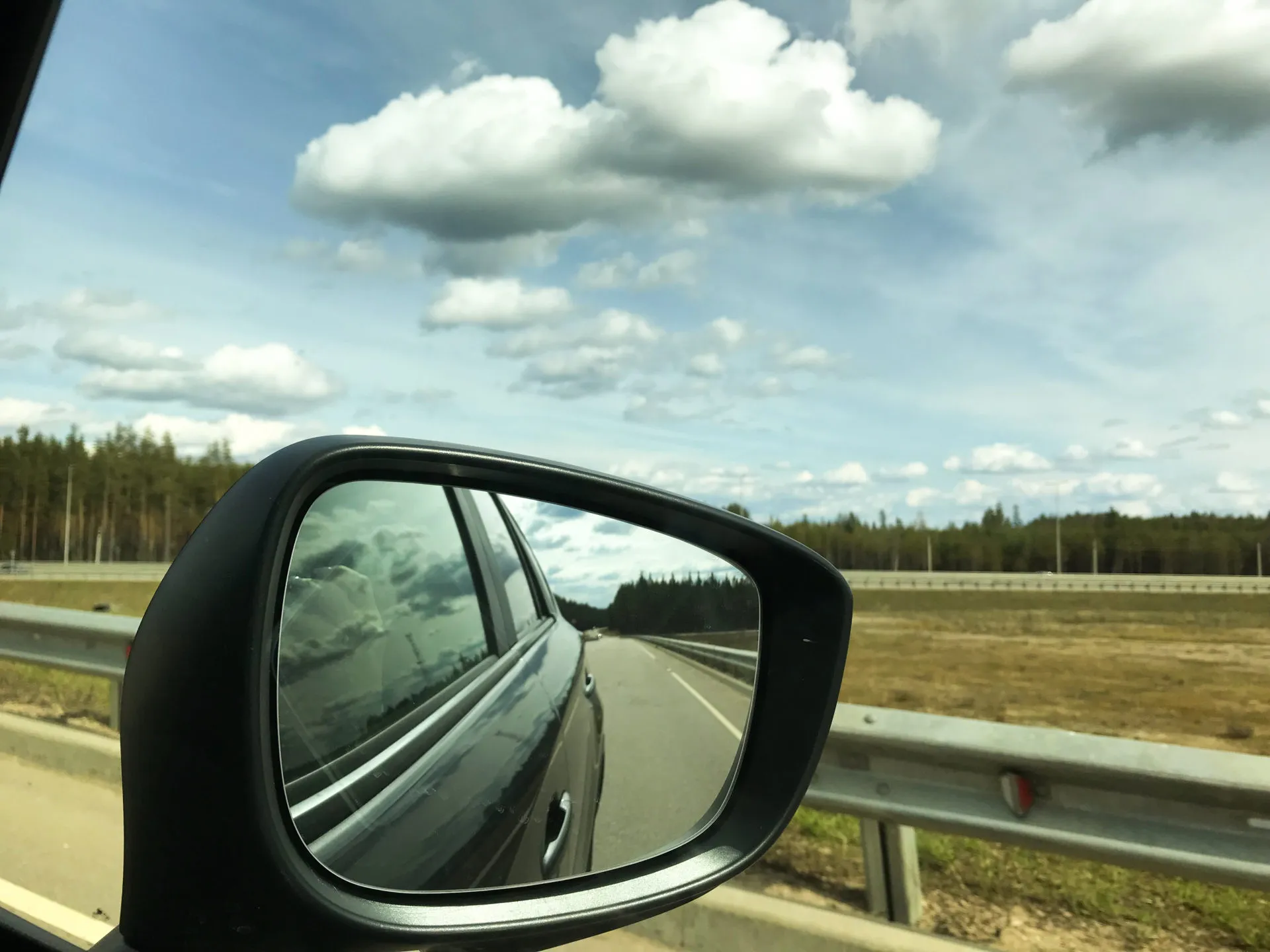
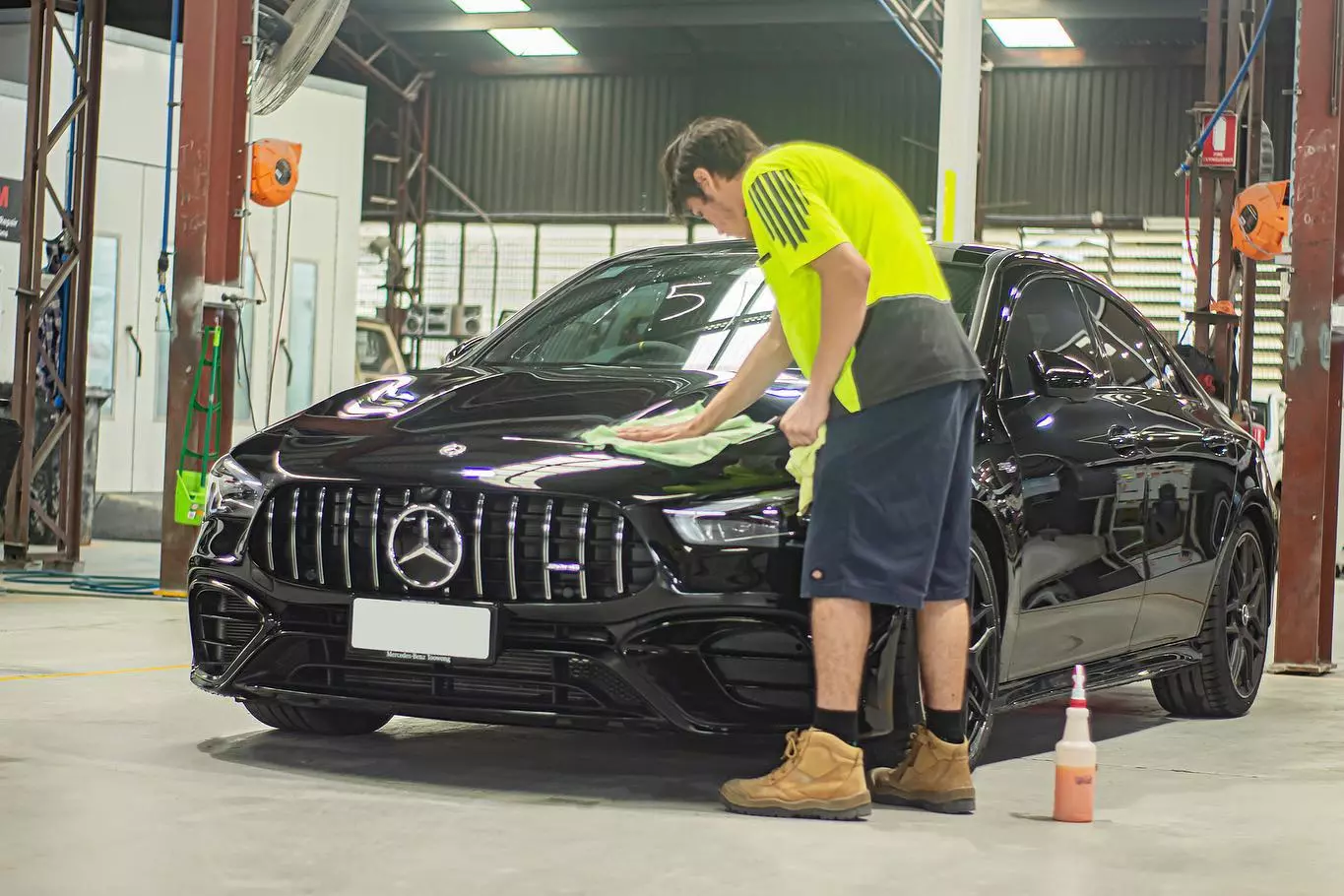
Your car's paint does more than make your vehicle look good — it protects the metal beneath from rust, corrosion, and environmental damage. Knowing when to apply a new protective coating can save you money on more costly repairs down the line.
1. Fading or Oxidised Paint
When paint loses its gloss and starts to look dull or chalky, it's a sign that the clear coat has degraded. UV exposure is the main cause. A fresh coat of protection can restore the shine and prevent further deterioration.
2. Visible Scratches or Swirl Marks
Light scratches and swirl marks compromise the paint's protective layer. If scratches are visible from a few metres away, it's time to consider a professional paint protection application.
3. Water No Longer Beads on the Surface
A properly protected surface causes water to bead and roll off. If water sits flat on the paint, the protection has worn away and it's time for a new coat.
4. Peeling Clear Coat
Peeling clear coat is one of the most obvious signs of paint failure. Once the clear coat begins to peel, the colour coat underneath becomes vulnerable. Address this quickly before the damage spreads.
5. Rust Spots Appearing
Surface rust is a warning sign that the paint has been compromised. Catch it early and treat it before it penetrates deeper into the metal.
6. Recent Accident or Panel Repair
After any bodywork or panel repair, a fresh protective coat ensures the repaired area blends seamlessly with the rest of the vehicle and is protected going forward.
7. It's Been More Than Two Years
Even without visible damage, protective coatings degrade over time. A refresh every 18–24 months keeps your vehicle's paint in top condition.
8. Preparing to Sell
A freshly protected and polished car presents significantly better and can add perceived value when selling. It's one of the most cost-effective ways to improve your vehicle's appearance before a sale.
Published On
Read Time
5 Minutes