Read More Articles
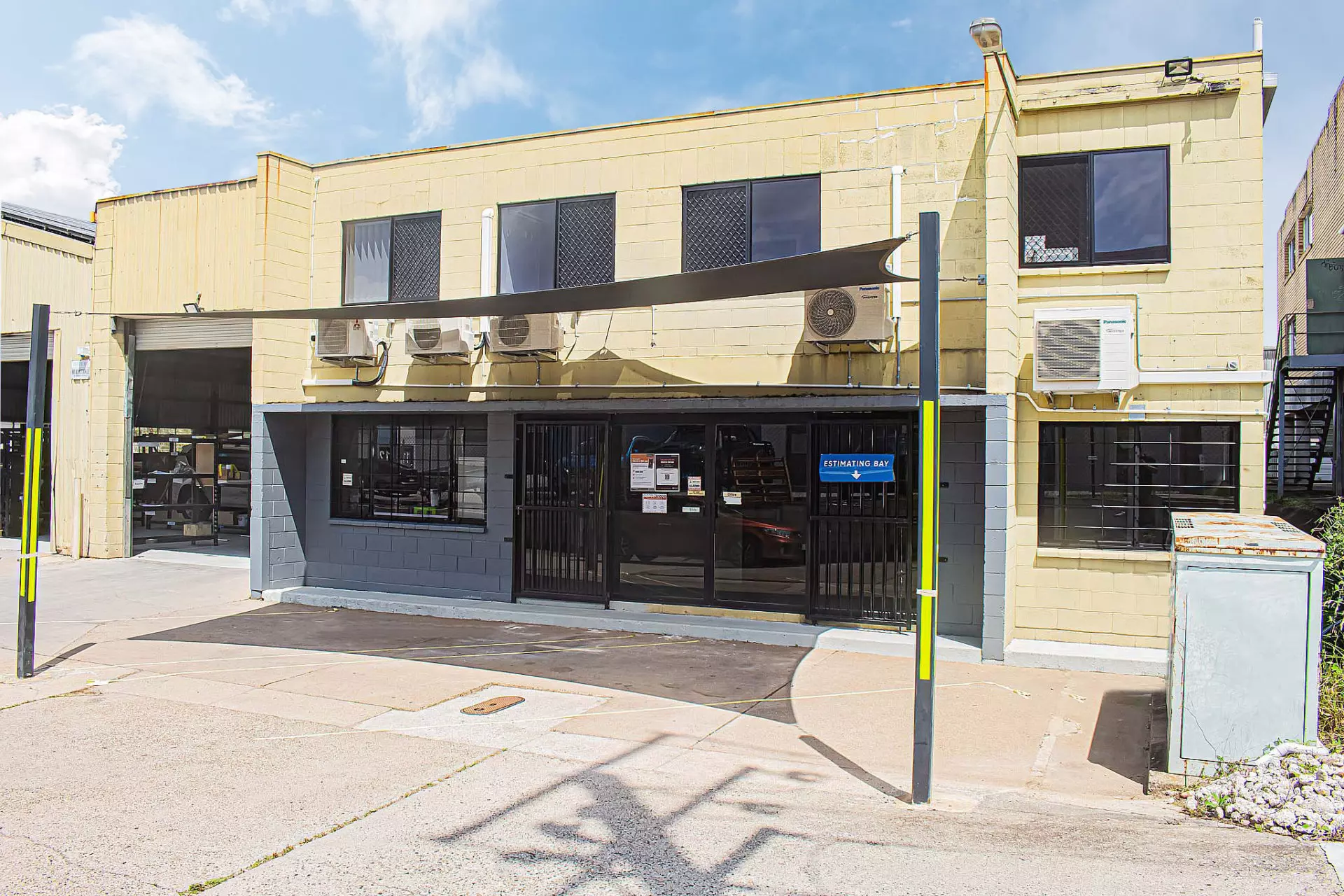
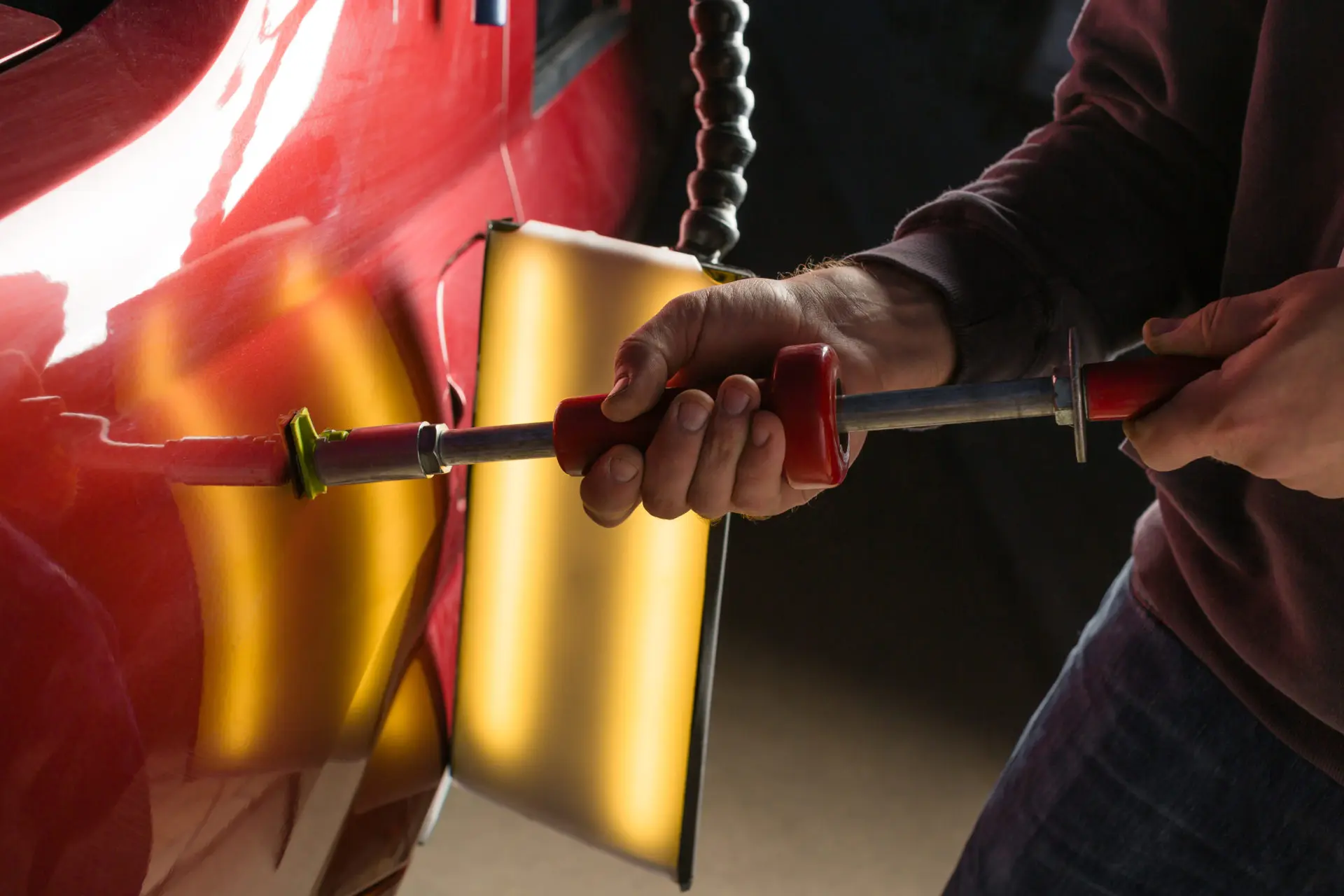
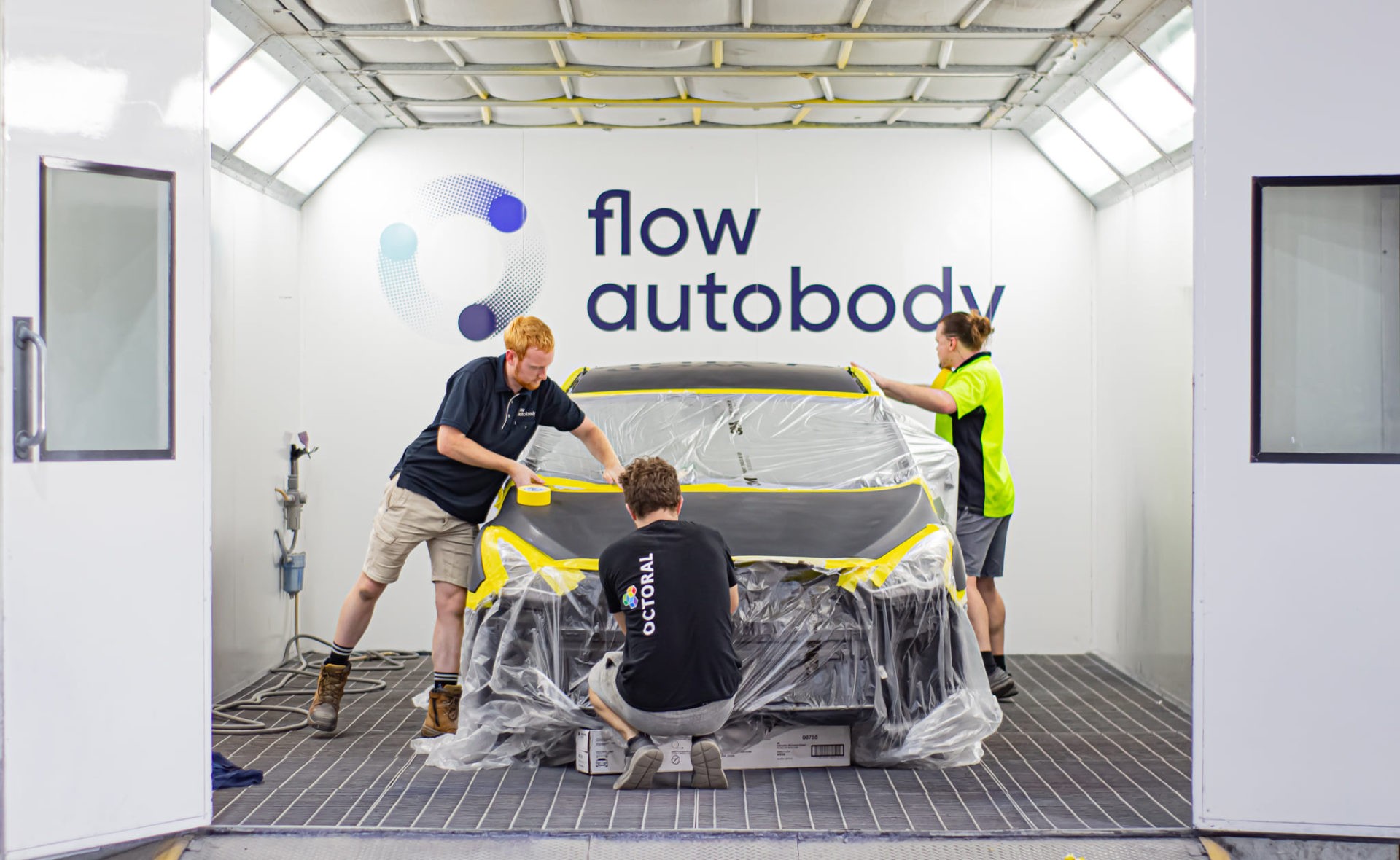
Collision repair is a complex process that goes far beyond fixing visible damage. Understanding how it works helps you make better decisions after an accident and ensures you get the quality outcome your vehicle deserves.
1. Safety Comes First
Before any cosmetic work begins, a proper structural inspection is essential. Damage to the chassis, crumple zones, or safety systems must be identified and addressed to ensure the vehicle is safe to drive.
2. You Have the Right to Choose Your Repairer
Regardless of what your insurer says, you generally have the legal right to select your own repair shop. Don't feel pressured to use an insurer-preferred repairer if you're not comfortable with them.
3. Document Everything at the Scene
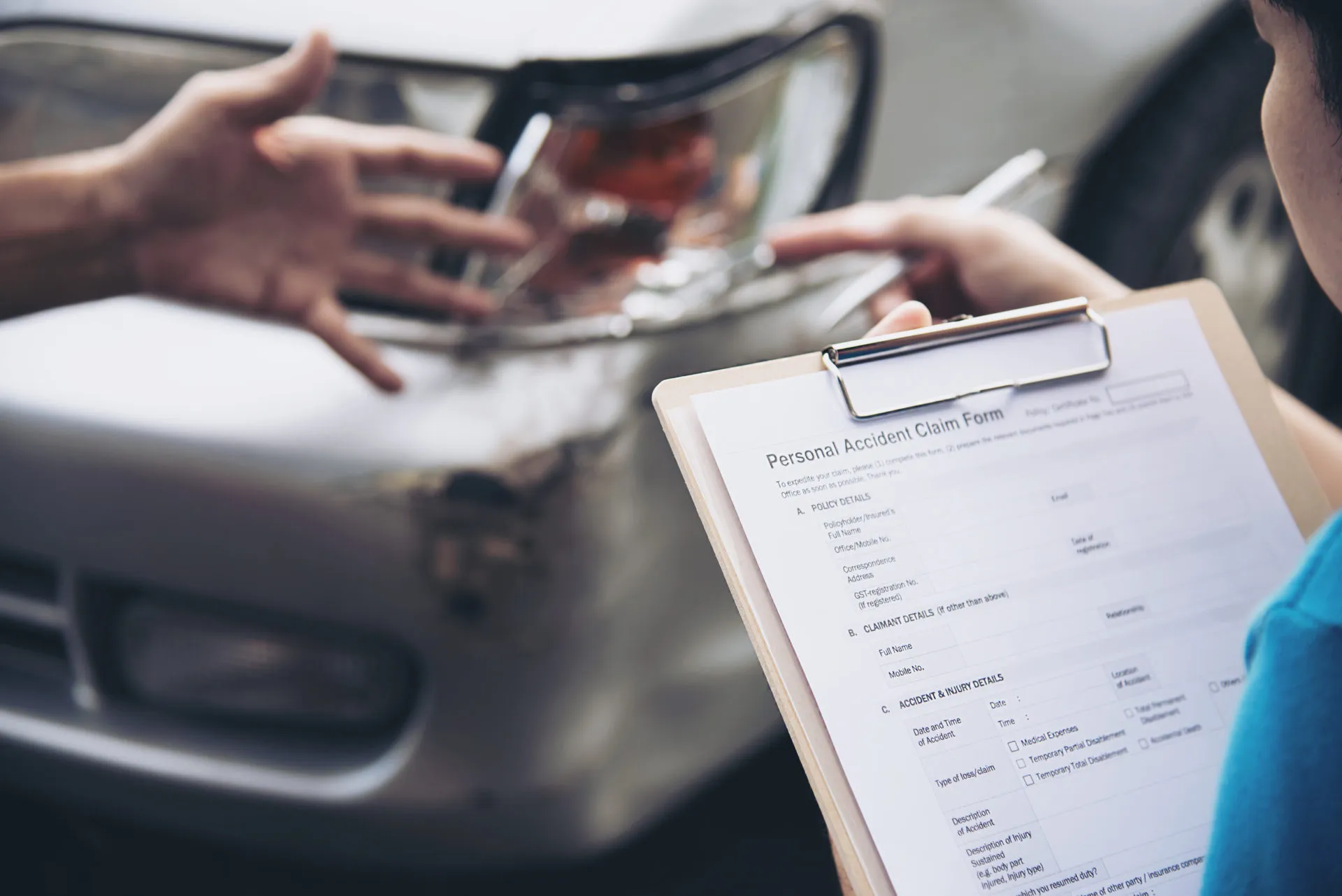
Photos, written notes, and witness details all support your insurance claim and help the repairer understand the full extent of the damage.
4. Get a Written Quote
Always insist on a detailed, itemised written quote before authorising any repairs. This protects you from unexpected costs and ensures transparency.
5. OEM vs Aftermarket Parts Matter
Original Equipment Manufacturer (OEM) parts typically offer a better fit and longer-lasting result than aftermarket alternatives. Ask your repairer what parts will be used.
6. Colour Matching is a Skill
A quality repairer uses professional colour-matching technology to ensure repaired panels blend seamlessly with the rest of the vehicle's original paint.
7. Structural Repairs Require Specialised Equipment
Frame straightening and structural repairs require computerised alignment equipment. Not all workshops have this capability — ensure yours does.
8. Repair Time Varies
Minor cosmetic repairs may take 1–2 days. Significant structural damage can take 1–2 weeks or more. Ask for a realistic timeline upfront.
9. A Warranty Should Be Provided
Reputable repair shops warranty their work. Make sure the warranty covers both parts and labour, and get the terms in writing.
10. Your Vehicle Should Be Restored to Pre-Accident Condition
The goal of any collision repair is to return your vehicle to its pre-accident condition — structurally sound, cosmetically restored, and safe to drive. Don't settle for less.
Published On
Read Time
5 Minutes