Read More Articles



Keeping your car's paint in top condition requires more than just a regular wash. Cutting, polishing, and waxing are three distinct steps that, when done correctly, restore gloss, remove imperfections, and protect your vehicle's finish.
Understanding the Three Steps
Cutting (Compounding)
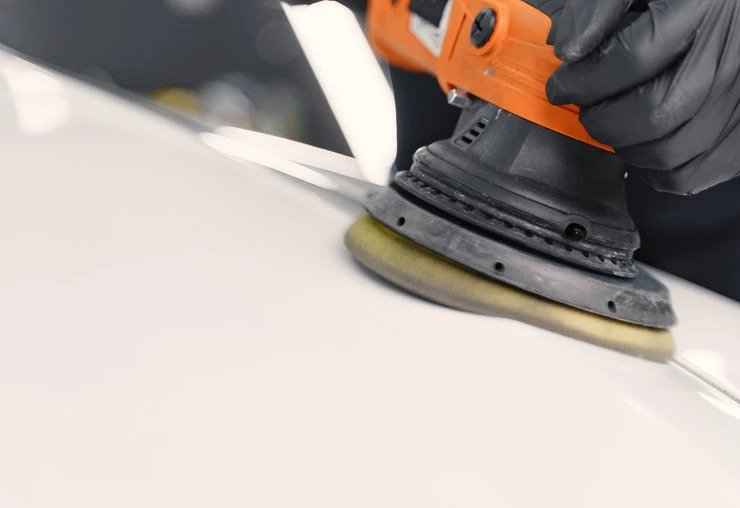
Cutting uses an abrasive compound to remove a thin layer of the clear coat, eliminating deeper scratches, oxidation, and heavy swirl marks. It's the most aggressive of the three steps and should only be used when necessary, as it removes paint material.
Use a cutting compound with a foam cutting pad on a dual-action polisher for best results. Work in small sections using overlapping passes.
Polishing
Polishing follows cutting and uses a finer abrasive to refine the surface left by the cutting compound. It removes light swirl marks and haze, restoring clarity and depth to the paint.
A polishing compound used with a softer foam pad will produce a smooth, glossy finish ready for protection.
Waxing (Protection)
Wax is the final step and acts as a sacrificial layer that protects the paint from UV rays, water, contamination, and minor abrasions. It also enhances the depth and warmth of the paint's appearance.
Apply wax by hand or with a soft applicator pad in thin, even coats. Allow it to haze, then buff off with a clean microfibre cloth.
How Often Should You Do Each Step?
Cutting: Only when significant scratches or oxidation are present — typically once every 1–2 years at most
Polishing: Every 6–12 months, or after any cutting stage
Waxing: Every 2–3 months to maintain protection
Tips for the Best Results
Always work in the shade on a cool surface
Use clean applicators and microfibre cloths each time
Work in small sections rather than the whole car at once
Inspect your work under good lighting before moving on
When to See a Professional
Deep scratches, paint chips, or severe oxidation are beyond what home polishing can fix. If your paint has sustained significant damage, a professional assessment will determine the best approach to restore it properly.
Published On
Read Time
5 Minutes